
|
|
||||||||||||||||||


| 2026-2027 Electoral Calendar, latest official version |

|
 |
|
|
|
|
|
|
|||||||
|
|
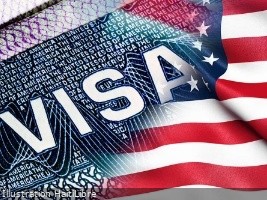
Haiti - FLASH : Visa refusal in the United States, Haiti the 3rd most affected country 13/10/2025 09:35:51
Visa refusals in the United States: citizens of Cuba, El Salvador, and Haiti are the three most affected countries. According to a recent report from the U.S. Department of State, citizens of Cuba, El Salvador, and Haiti experienced the highest refusal rates for their U.S. visa applications. This trend highlights the immigration challenges in these countries, unlike other Latin American countries such as Panama, Argentina, and Brazil, where acceptance rates are much higher. The report reveals that more than half of B1/B2 visa applications (tourism or business) were rejected for Cubans, with a rate of 53.35%. Cuba is followed by El Salvador, with a refusal rate of 52.65%, and Haiti with 47.35%. These figures correspond to the end of fiscal year 2024 and were published on the official website of the Department of State. In Haiti's case, political and economic instability are the causes of this high rejection rate. Rejection rates are significantly lower in countries with greater economic stability and lower migratory pressure, such as Uruguay, Chile, and Argentina. These factors increase the confidence of U.S. consular officers, who consider the risk of irregular migration when evaluating each application. Projections suggest that rejection rates will remain high in countries experiencing economic crisis and political tensions. Experts advise applicants to submit complete and robust documentation, demonstrate their ties to their home country, and prepare well for the consular interview. These factors can increase the chances of application acceptance, particularly in a context of stricter immigration policies. SL/ HaitiLibre
|
|







|
|
Why HaitiLibre ? |
Contact us |
Français
Copyright © 2010 - 2026 Haitilibre.com |